





Audi Q2 35 TFSI Advanced S Tronic Review: Key Features
.

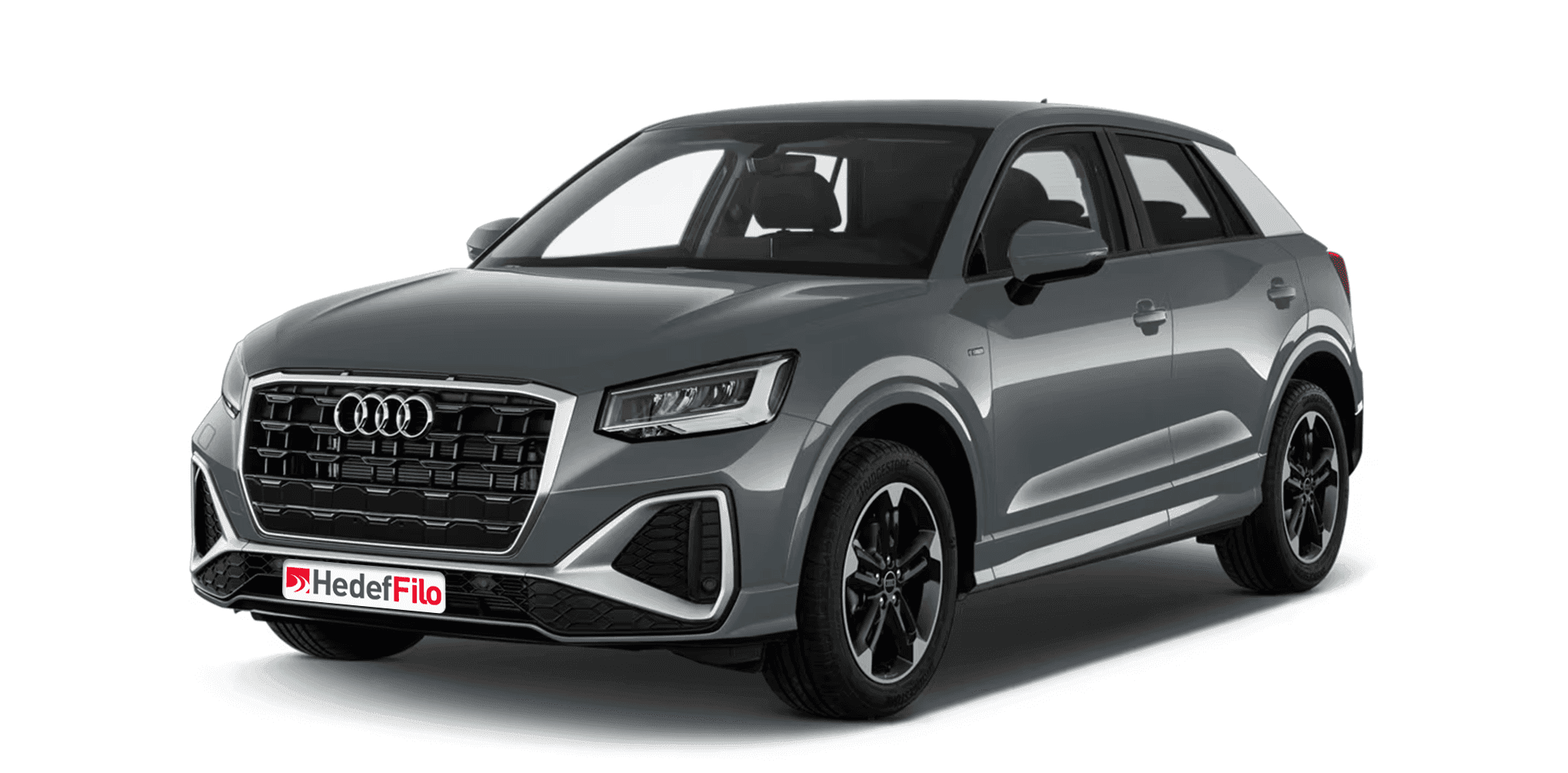
The Audi Q2 35 TFSI 150 HP Advanced S Tronic, Ingolstadt's small-sized representative in the premium compact SUV segment, continues its journey in Türkiye with its advanced equipment level.
When the 1.5-liter TFSI engine is combined with COD cylinder deactivation technology and the 7-speed S tronic dual-clutch transmission, a consistent package emerges for both urban and highway use. When choosing a vehicle in this class, balancing living space, brand prestige, and daily fuel expenses is often challenging. Throughout this Audi Q2 review, we look at what the model means for the corporate user within the axes of design, interior, engine, and equipment.
Exterior Design and First Impression
Audi Q2 highlights the brand's traditional Singleframe grille by carrying it to an octagonal geometry. While the front panel looks voluminous in the premium compact SUV class, the side profile stays true to the dimensions of the B segment. Carrying the polygonal motif from the shoulder line to the rear bumper continues Audi's lean design language. The ability to treat the C-pillar with a distinct color tone ensures that the model remains distinguishable despite its small scale.
The body dimensions are positioned as 4,208 mm in length, 1,794 mm in width, and 1,508 mm in height. The 2,601 mm wheelbase creates an interior volume perception above the premium compact SUV average, while presenting a successful aerodynamic chart for the B segment with a friction coefficient value of 0.31. In the Advanced equipment, 17-inch five-spoke alloy wheels are offered as standard. On the lighting front, LED headlights, LED rear light groups, and LED daily driving lights are included in the base package, while Matrix LED headlight technology is listed as optional. The sport suspension and compact dimensions that easily fit into underground parking lots place the model as a natural choice for Istanbul and Ankara traffic. In the Audi Q2 Advanced version, the visual identity stays within the brand's consistent line without escaping into showing off.
Interior, Comfort, and Cargo/Passenger Capacity
The Audi Q2 cabin design continues the brand's premium line with its horizontal dashboard line and driver-oriented center console structure. In the latest generation MMI system, there is no joystick control; instead, an 8.8-inch MMI touch screen is positioned in the middle. In the Advanced equipment, a 5-passenger capacity comes as standard, and the cabin material quality continues to stay at the premium end of the B segment.
The 8.8-inch MMI touch multimedia screen takes place as standard in all versions, and wireless Apple CarPlay and Android Auto access opens with the optional technology package. Behind the steering wheel, the 10.25-inch Audi virtual cockpit digital instrument cluster is offered in the technology package. Two USB-C ports are placed on the front console. Manual air conditioning is listed as basic equipment in Advanced, while dual-zone comfort air conditioning is listed as optional within the package. The knee room in the rear seat is perceived above the B segment average, while the headroom can remain limited for passengers over 1.90 meters. On the trunk side, the standard 405-liter volume expands to 1,050 liters with the rear seats folded at a 60/40 ratio. Considering the usage of underground parking lots, the 50-liter fuel tank provides sufficient distance for long routes.
Engine, Performance, and Efficiency
At the heart of the Audi Q2 35 TFSI lies a 1.5-liter four-cylinder turbocharged gasoline engine. This unit comes from the EA211 evo family within the VW Group and, when viewed from a fleet perspective, combines low consumption and reasonable performance at a balanced point. The noticeable drop in fuel expenses under low load conditions where the COD system comes into play is the model's strongest card in daily urban use.
While the engine produces 150 HP of power, 250 Nm of torque is transmitted in a flat curve across the 1,500 to 3,500 rpm band. Power is transmitted to the wheels via a 7-speed S tronic dual-clutch transmission. In the model positioned as front-wheel drive, the 0-100 km/h acceleration is completed in 8.6 seconds, and the maximum speed reaches a value of 218 km/h. COD cylinder deactivation technology contributes to fuel efficiency by keeping two cylinders passive at constant speeds. When compared to the premium compact SUV average, the 5.1 L/100 km combined consumption value keeps the Q2 in the same line with versions of its competitors in the category, the Mercedes GLA 200 and BMW X1 sDrive18i.
Equipment, Safety, and Driving Support Systems
While the Advanced equipment includes Audi's basic safety package at a standard level, it configures upper-level driving assistants through the technology package and optional additions. For a fleet manager establishing a premium compact SUV expectation, the inclusion of systems such as pre sense front, lane tracking, and cruise control in the basic package simplifies the decision-making process. An extra package is required for upper-level adaptive systems.
Among the Audi Q2 features, the driving support side consists of these systems: Audi pre sense front automatic emergency braking, lane tracking system, cruise control and speed limitation, front and rear parking sensors, hill start assist, and electronic stability program. The fatigue detection system analyzes driver behavior and gives a break suggestion at the end of a long route. Seven airbags are traditionally included in the basic package. When viewed in terms of Audi Q2 technical specifications, advanced assistants such as adaptive cruise control, blind spot warning, and 360-degree camera are not offered as standard in Advanced; these features can be added with technical and comfort packages. On the multimedia side, an 8.8-inch MMI touch screen, Bluetooth connection, and mobile phone interface come ready in all Advanced vehicles.
Who is it Suitable For? Usage Scenarios
The Audi Q2 review steps carried out up to this point gather exterior dimensions, engine character, and equipment depth in a common chart. The model enters the radar of a few different corporate profiles that have a premium compact SUV expectation. The question of "am I in the right segment?" frequently encountered by fleet managers finds a clear answer through the Audi Q2's compact size under 4.2 meters, 5.1 L/100 km combined consumption, and brand prestige. The scenarios below show the usage areas where the model naturally fits.
A Look from the Long-Term Rental Window
When the technical position and equipment depth of the vehicle are handled, this practical question comes to mind: What could be the most sustainable usage model for an Audi Q2 with a premium compact SUV expectation. In premium brands like the Q2, annual MTV, kasko, periodic maintenance, and special service costs constitute an important part of the total cost of ownership. Although the 50-liter fuel tank and 5.1 L/100 km consumption value keep fuel expenses under control, the SCT band is positioned in an increasing step for the premium segment. This structure makes the budget difference between purchasing and long-term SUV rental distinct in medium-term planning.
The long-term car rental alternative provides the opportunity to progress within a surprise-free invoice framework by gathering items such as down payment, kasko, insurance, periodic maintenance, tires, and MTV into a single monthly payment in premium compact SUV models like the Audi Q2. Hedef Filo's smart start package can be evaluated as a detailed alternative for corporate users who want to carry service and spare parts access to an operational framework in premium-branded vehicles.
Which Profile Should Make a Selection with Which Expectation?
The prominent chart within the scope of the Audi Q2 review article is this; the Audi Q2 35 TFSI 150 HP Advanced S Tronic offers a consistent package in the premium compact SUV class within the axes of design language, driving comfort, and brand prestige. The 5.1 L/100 km combined consumption, 405-liter trunk, 8.8-inch MMI touch screen, and safety equipment meeting segment expectations place the model as a natural choice especially for medium-sized enterprises looking for a manager vehicle and users making their first transition to the premium segment. Businesses evaluating the vehicle as a medium-term operational solution can examine the available package options in detail under the passenger car rental category.
