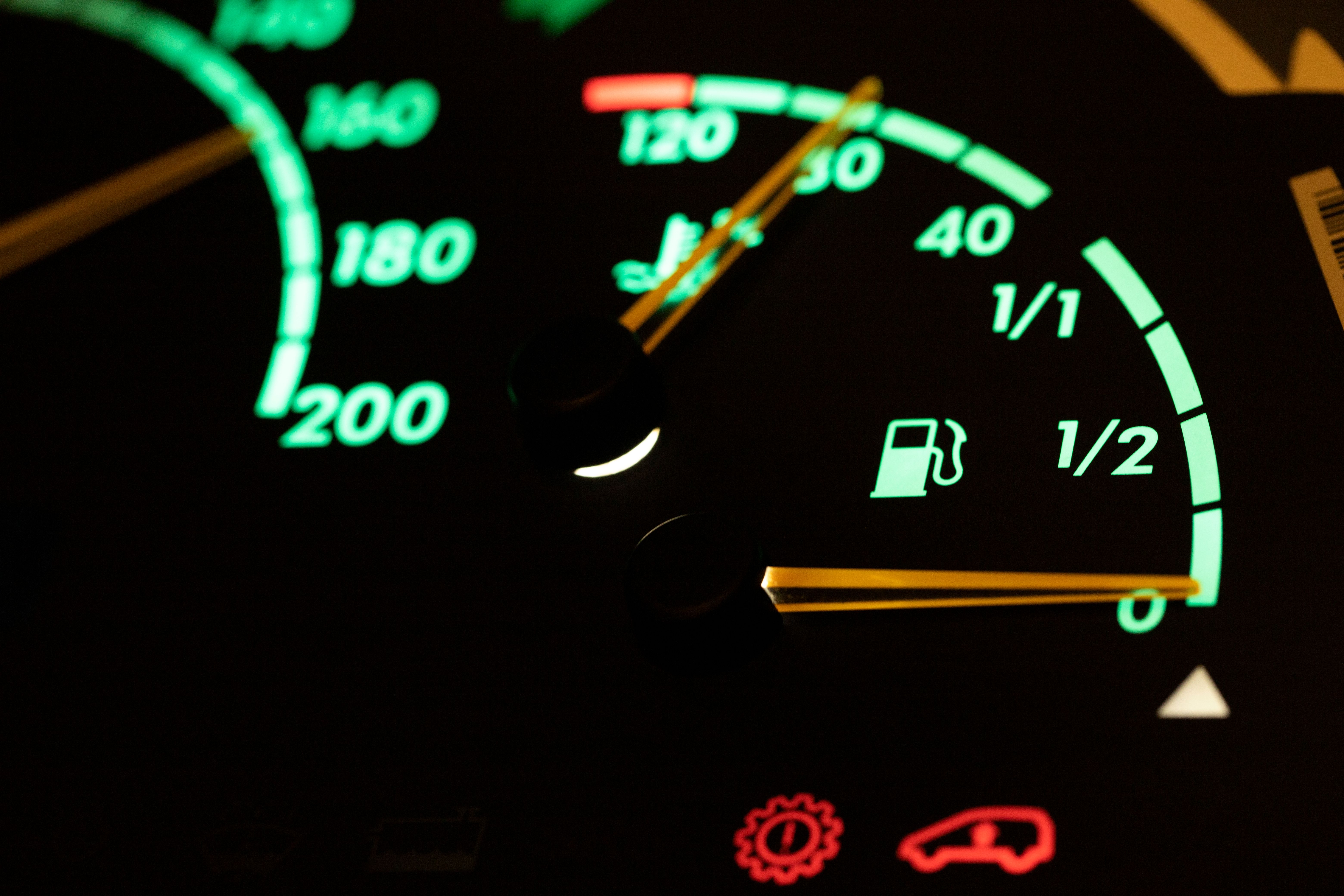
With fuel prices continuing to rise every day, did you know it's possible to make your car more fuel-efficient? And with a few easy-to-implement tips!
Fluctuating fuel prices are driving many drivers to look for ways to save fuel. Some are even considering replacing their vehicles with hybrid or fully electric cars. However, you're not helpless when it comes to reducing both fuel costs and your vehicle's negative environmental impact!
To cut fuel costs and reduce your vehicle's carbon emissions, you first need to become a more conscious driver. This can reduce your vehicle's fuel consumption and carbon emissions by up to 25%. Amazing, right? So let's take a look at what you can do to save fuel!
1. What Factors Cause Increased Fuel Consumption?
Many factors determine the amount of fuel your vehicle consumes. Not knowing these factors well can increase fuel consumption, and in some cases, fuel consumption increases independently of the user. If your car's fuel costs are higher than you expected, there are some points you should pay particular attention to in order to understand what might be causing the problem. What are they?
- Neglecting the maintenance of both gasoline and diesel engines can lead to a decrease in fuel efficiency, causing fuel to burn faster. This can significantly increase fuel costs.
- Turning on the air conditioning in a vehicle traveling below 80 kilometers per hour puts extra load on the engine, causing an increase in fuel consumption. However, when exceeding 80 kilometers per hour, opening the windows instead of using the air conditioning creates aerodynamic drag, making it more logical to turn on the air conditioning in this case.
- When the quality of the vehicle fuel and engine oil is low, the fuel energy can decrease proportionally. 4. In manual cars, not using the correct gear can also cause fuel waste. This is because the amount of energy required to move the vehicle increases, which is reflected in the amount of fuel used.
- Excessive speed while driving puts excessive strain on the engine, increasing fuel consumption.
- In automobiles, fuel economy decreases by approximately 1.5 to 2 percent for every 50 kilograms of weight. The amount of extra weight should be determined relative to the vehicle's own weight.
2. 7 Tips to Reduce Fuel Consumption
Maintaining fuel economy is not a dream! To drive economically, you just need to be a little more careful and follow some rules. These rules range from regularly maintaining your vehicle to changing your driving style. Here are 7 tips to consider to reduce fuel consumption!
- Don't Let Your Vehicle Idle for Long Periods: It is recommended that the vehicle not be left idling for more than one minute while the engine is running. This is because the vehicle continues to consume energy, i.e., fuel, even though it is not moving while the engine is running. It is calculated that an average vehicle with a three-liter engine consumes 300 milliliters (more than 1 cup) of fuel for every 10 minutes it is idling. For this reason, turning off the engine during short stops, such as breaks, is one of the most important factors to consider for economical fuel consumption.
- Get Your Vehicle Regularly Serviced: Did you know that vehicles that neglect periodic maintenance can consume up to 30% more fuel? Now you know! If you don't want to learn the hard way that cars, which function as a whole with all their parts, can be much more expensive for their drivers if they don't receive regular maintenance, you shouldn't neglect your vehicle's periodic maintenance. This allows for early intervention in case of any missing or faulty parts.
- Obey Speed Limits: Many drivers may not realize the relationship between fuel consumption and speed performance. But there is! Especially on intercity journeys, driving your vehicle without exceeding the speed limit and avoiding excessively revving your engine can significantly help you save on fuel costs. A vehicle traveling at 100 km/h consumes approximately 15% more fuel, while one traveling at 110 km/h consumes approximately 25% more. In this case, you might think you need to drive slowly. However, in addition to pushing the speed limits, staying below these limits can also prevent fuel efficiency by forcing the engine into a lower gear. In other words, it can be said that to achieve optimum fuel economy, it is necessary to drive in the 50 to 90 km/h range.
- Use High-Quality Engine Oil: Using engine oil of the recommended quality for your vehicle can increase your fuel efficiency by 1 to 2 percent over the kilometers you travel. For example, using 10W-30 engine oil in an engine designed for 5W-30 engine oil can cause wear on your vehicle's engine. The reason is simple: thicker oil is harder to pump. Therefore, knowing which oil to use for your vehicle and acting accordingly becomes a meaningful step to save you from high fuel costs.
- Inflate Your Tires: Underinflated tires cause more friction and rolling resistance with every kilometer traveled. This not only reduces fuel efficiency but also shortens the life of your tires. Underinflating all your tires by 10 psi can reduce fuel efficiency by up to 10%. To avoid this, you need to regularly check your tire pressure every week.
- Avoid Hard Braking: Every time you brake, the vehicle needs to regain speed, negatively impacting fuel consumption. Therefore, instead of aggressive braking, you should try to slow down. Perhaps the most important thing to do is maintain a safe following distance from the vehicle in front.
- Minimize Short-Distance Driving: The highest fuel consumption occurs during the initial acceleration when the engine is not yet warmed up and during short journeys. Since fuel efficiency drops considerably on journeys shorter than five kilometers, it is recommended to combine short-distance tasks and complete them in one go.